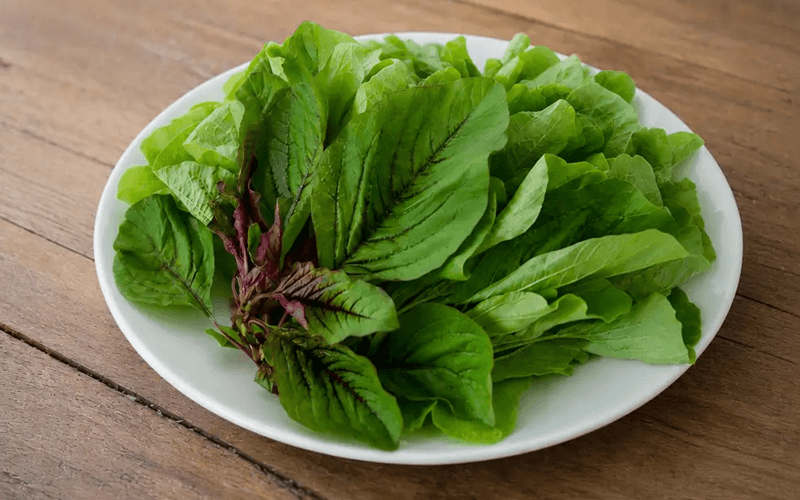
Amaranth Leaves Export from India Fresh, Nutritious & Export-Grade
India is among the world’s largest producers of fresh vegetables and leafy greens, and amaranth (Amaranthus spp.) known in Indian kitchens as chaulai, rajgira leaves, cheera, harive and thotakura is cultivated on a very large scale across the country. We specialise in exporting fresh, clean, high-grade amaranth leaves to bulk buyers worldwide, sourcing premium produce directly from progressive farms in Gujarat and surrounding belts.
Our supply chain is built around one simple promise: amaranth leaves that are undamaged, freshly harvested, uniformly sorted and packed to meet international quality, phytosanitary and packaging standards delivered consistently, shipment after shipment.
About Amaranth Leaves Export from India
Amaranth leaves belong to the genus Amaranthus, a fast-growing leafy vegetable that thrives in warm climates. According to the Food and Agriculture Organization (FAO) and APEDA, India ranks second in the world in vegetables production after China, and amaranth greens are among the most widely grown leafy vegetables in the country. Because the crop can be sown almost throughout the year and reaches harvest in as little as 25–40 days, India enjoys round-the-year cultivation and a dependable supply pipeline for exporters.
Fresh amaranth leaves are used globally in soups, stir-fries, salads, curries and side dishes, and they are prized in overseas South Asian communities for their mild, earthy flavour and tender texture. That steady global demand led by the Gulf countries, the United Kingdom, the United States, Singapore, Malaysia and Canada makes India a natural and reliable source for wholesale amaranth greens.
Health Benefits & Nutritional Profile of Amaranth Leaves
Amaranth leaves are one of the most nutrient-dense leafy greens available, which is a core reason for their growing popularity in export markets. The values below are for cooked, boiled, drained amaranth leaves per 100 grams, based on USDA FoodData Central (SR Legacy).
| Nutrient | Amount per 100 g | Approx. % Daily Value |
| Energy | 21 kcal | 1% |
| Protein | 2.11 g | 4% |
| Total fat | 0.18 g | 0% |
| Carbohydrate | 4.11 g | 1% |
| Calcium | 209 mg | 16% |
| Iron | 2.26 mg | 13% |
| Magnesium | 55 mg | 13% |
| Potassium | 641 mg | 14% |
| Phosphorus | 72 mg | 6% |
| Vitamin C | 41.1 mg | 46% |
| Vitamin A (RAE) | 139 µg | 15% |
| Folate | 57 µg | 14% |
Packed with Vitamins and Minerals
Amaranth leaves are notably rich in vitamin C a single 100 g serving provides around 46% of the daily value along with vitamin A and folate. The leaves also supply meaningful amounts of calcium, magnesium, potassium, copper and manganese, supporting bone strength, muscle function and overall wellness.
Excellent Plant-Based Source of Iron and Protein
Unlike many leafy greens, amaranth leaves deliver a good amount of plant-based protein as well as iron (around 13% of the daily value per 100 g). Combined with their vitamin C content which helps the body absorb iron amaranth greens are widely regarded as supportive for blood health and iron-deficiency management. (USDA FoodData Central; Manipal Cigna; PharmaEasy.)
Supports Digestion and Heart Health
Amaranth leaves provide dietary fibre and antioxidants such as flavonoids and beta-carotene, which are associated with healthy digestion, cholesterol regulation and cardiovascular well-being. They are naturally low in calories and cholesterol-free, making them an easy addition to weight-conscious and health-focused diets. (WebMD; Healthline; Health Benefits Times.)
Why Choose Indian Amaranth Leaves for Export?
Round-the-Year Cultivation
India’s diverse agro-climatic conditions allow amaranth to be grown through almost the entire year across different regions. This year-round production is one of the strongest reasons international buyers choose India: supply gaps that other sourcing countries face during off-seasons are largely avoided here.
Competitive Pricing and Steady Supply
Lower land and labour costs, efficient wholesale markets and high-yielding local varieties combine to make Indian amaranth leaves highly competitive on price. For wholesale importers, this translates into better margins without compromising on freshness.
Good Flavour and Strong Cold-Chain Performance
Indian amaranth greens are known for their tender leaves and mild, pleasant flavour profile. While leafy greens are naturally perishable, properly pre-cooled and cold-chain-managed Indian amaranth leaves maintain their freshness, colour and crispness over long-haul air and sea routes a key requirement for export buyers.
Quality Standards & Sourcing
Every consignment of our fresh amaranth leaves passes through strict sorting, washing and quality checks before packing. We discard damaged, bruised or sub-par produce so that only uniform-size, firm, high-quality leaves are shipped.
Direct Sourcing from Farms
We source directly from progressive local farmers across the Surat region of Gujarat, ensuring fresh daily harvests with zero delay between cutting and packing. Farming in this belt benefits from the warm, semi-arid climate that amaranth grows best in.
Sorting, Grading & Quality Checks
- Manual sorting and grading for uniform leaf size and colour.
- Washing and removal of foreign matter and damaged leaves.
- Weight and moisture verification before packing.
- Documentation of phytosanitary compliance for export consignments.
Production Hubs & Trade Details
Major Producing States
Amaranth is cultivated commercially in most Indian states, but the strongest production hubs for export sourcing include:
- Gujarat our home sourcing belt, one of India’s leading horticulture and vegetable-producing states (around 15.7 million tonnes of vegetables in 2024).
- Maharashtra a major volume producer of leafy vegetables.
- Madhya Pradesh one of India’s top vegetable-producing states.
- Andhra Pradesh favourable tropical and sub-tropical climate for amaranth.
- Karnataka consistent supplies from southern growing regions.
Major Wholesale Markets
Our trade is anchored at the New Sardar Vegetable Market, Surat, Gujarat one of the region’s principal wholesale vegetable markets, where daily arrivals are graded, auctioned and distributed to buyers across India and export markets. Being based here gives us direct access to farm arrivals, live market prices and reliable logistics partners.
Our Export Process
We manage the complete export pipeline in-house, from farm to port, so that buyers receive exactly what they order. Our process is simple and transparent:
- Sourcing directly from farms or local mandi (market) arrivals.
- Manual sorting, grading, washing and quality verification.
- Packaging in ventilated plastic crates or cardboard cartons to protect the leaves during transit.
- Cold-chain logistics and customs clearance documentation, including phytosanitary certificates.
- Global shipment via air cargo or sea containers to the destination port.
Export Packaging & Cold Chain
Because amaranth is a perishable leafy green, packaging and temperature control decide how the produce arrives at your end. We use:
- Ventilated plastic crates for short-haul and air freight consignments.
- Corrugated cardboard cartons with proper liners for sea freight.
- Pre-cooling immediately after packing to slow moisture loss.
- Temperature-controlled cold-chain handling from pack-house to port and during air or sea transit.
Market Price & Wholesale Inquiries
We offer competitive wholesale mandi rates that are updated daily based on New Sardar Vegetable Market, Surat price trends. Since amaranth prices move with daily arrivals and seasonal demand, we encourage bulk buyers to contact us for today’s live rate and a quotation tailored to their volume, packaging and destination.
For importers, wholesalers, supermarket chains and food-service suppliers, we provide consistent monthly supply contracts, documented quality checks and reliable delivery schedules.
Frequently Asked Questions
What is the HS code for amaranth leaves?
Fresh amaranth leaves are generally classified under HS Code 0709.99 (other fresh or chilled vegetables) for customs and import purposes. Buyers should confirm the applicable HS code with their customs agent, as classification can vary by importing country.
Which markets import fresh amaranth leaves from India?
Key destinations include the Gulf countries (UAE, Saudi Arabia, Qatar, Kuwait, Bahrain and Oman), the United Kingdom, the United States, Singapore, Malaysia and Canada driven largely by South Asian diaspora demand for fresh Indian leafy vegetables.
Do you provide phytosanitary certification?
Yes. Export consignments are supported with phytosanitary certificates issued by the designated plant quarantine authorities, and our facility operates in line with APEDA export documentation requirements.
How do you keep the leaves fresh during transit?
Leaves are pre-cooled soon after packing and moved through a temperature-controlled cold chain. For long distances we recommend air freight; sea containers with proper cold-chain management are suitable for shorter transit windows.
What is the minimum order quantity (MOQ)?
We cater to bulk B2B orders. MOQ and pricing depend on the destination, packaging type and season. Contact our sales team with your requirement to receive a detailed quotation.
Are amaranth leaves available year-round from India?
Yes. Amaranth can be sown almost throughout the year across India’s different climatic zones, and it reaches harvest in about 25–40 days, enabling round-the-year supply with only minor seasonal variations.
Contact Us for Bulk Wholesale Inquiries
Ready to add fresh Indian amaranth leaves to your import portfolio? Write to us for today’s live wholesale rate, product specifications, packaging options and shipping quotes. Our team is based at the New Sardar Vegetable Market, Surat, Gujarat, and is always happy to help bulk buyers plan a reliable, long-term supply.
Sources & Verification Notes
Key figures on this page were verified against the following sources: India’s position as the world’s second-largest producer of vegetables APEDA and FAO; vegetable production data for Gujarat (2024) Department of Agriculture & Farmers Welfare via CEIC; amaranth cultivation suitability across Indian states published agronomy and seed-sourcing references; and the nutritional profile of amaranth leaves USDA FoodData Central (SR Legacy). Export destinations reflect published India fresh vegetable export data (APEDA/DGCIS).